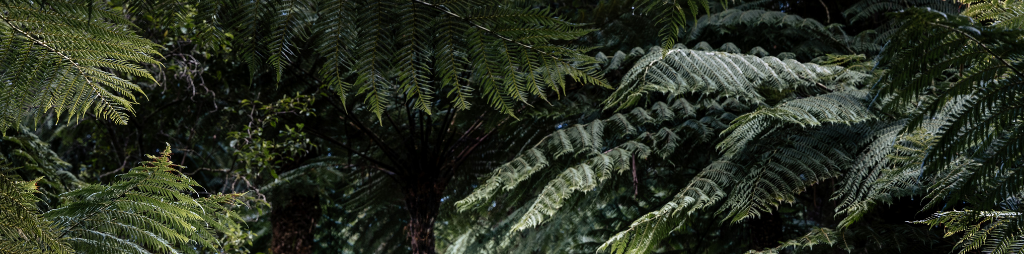

National Parks are the best form of legal protection for nature that we have in Australia. They ensure permanent protection for special places. They clean our air and water, provide crucial habitat for our many unique species, support the physical and mental wellbeing of millions of Victorians, and also provide an immense benefit to the state's economy through tourism.
Currently, nearly 3.5 million hectares are given some level of protection under Victoria’s National Parks Act.
There are also many forests that aren't in National Parks. These places deserve this same level of protection, and a big part of the VFA's work is pushing for the creation of new parks.
Recently, the long-fought campaign for new National Parks in the state's Central West was finally won. The Wombat-Lerderderg National Park has finally been legislated, as well as a swathe of other forms of protection in the surrounding areas. While there is still much work to be done, these Central West Parks are a cause for celebration.
However, the long-awaited Great Forest National Park campaign remains yet to be won. The precious forests of Victoria's Central Highlands, north-east of Melbourne, desperately need formal protection.
Head to the Great Forest National Park website to learn more and support the campaign.

Photo by Sandy Scheltema.
Questions about National Parks?
Watch our webinar with Matt from the Victorian National Parks Association:
Read the VNPA's FAQ's on National Parks.

Our Context
Victoria’s forests are globally significant, storing carbon, regulating water, and sheltering thousands of species. They also influence bushfire behaviour. Yet these forests are under growing pressure from large-scale fire management, industrial-scale disturbance, and weakened environmental oversight. Putting biodiversity, public health, and long-term forest resilience at risk.
At the same time, we need to rethink what conservation actually means in this country. The current model continues to be shaped by a colonial mindset, one that separates people from Country, prioritises extraction, and sidelines the knowledge systems that sustained these landscapes for tens of thousands of years. Globally, the strongest biodiversity outcomes are consistently found on lands where Indigenous peoples retain authority and lead land management. Yet in Victoria, Traditional Owners are routinely excluded from land management and decision making, receive little to no resourcing, and are brought in late if at all.
Environmental oversight has collapsed
Environmental protection capacity within government agencies has been significantly reduced, limiting the ability to monitor biodiversity, enforce laws, and assess environmental impacts. Cuts include:
- VEAC dismantled, leaving major public land investigations unfinished
- 33 staff lost from the Office of the Conservation Regulator (OCR), which monitors threatened species
- 300+ DEECA staff cut
- $95M cut to Parks Victoria, which manages more than four million hectares of parks and reserves
Compounding these reductions, under Section 62(2) of the Forest Act 1958, fire prevention or suppression activities may be exempt from environmental protections, allowing habitat destruction to occur without any oversight or regulation.