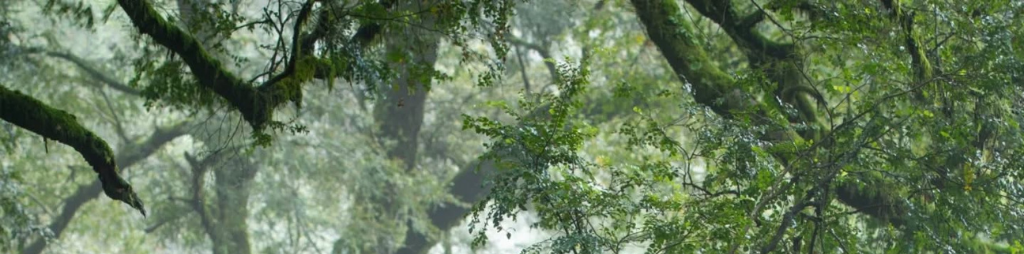

Just beyond Naarm/Melbourne lies one of Australia’s most ecologically significant landscapes - the Mountain Ash forests.
Historically, bold visionaries have safeguarded Victoria’s natural wonders, creating a world-class network of conservation reserves like the Grampians, Wilson’s Promontory, the Alps and the Otways. Yet, the critical Mountain Ash forests in the Central Highlands remain vulnerable. These Great Forests are among our planet’s most carbon-dense ecosystems and vital water sources for Greater Melbourne.
A new legacy awaits

The Great Forest National Park (GFNP) proposal, a visionary initiative backed by leading conservationists, aims to unite 355,000 hectares of state forests with existing protected areas, forming a 525,000-hectare sanctuary. This park would safeguard critically-endangered species like the Leadbeater’s Possum and Baw Baw Frog, protect carbon-rich forests and secure water supplies, while also lowering bushfire risks.
The traditional custodians of the Great Forest National Park are the Bunurong, Gunaikurnai, Taungurung, and Wurundjeri peoples. This land should be jointly managed with relevant First Nations communities.They were dispossessed of their country after invasion and their sovereignty was never ceded. The park’s conservation plan is subject to ongoing discussions and approvals with the relevant Aboriginal Corporations and grassroots community, fully supporting and recognising their cultural rights, leadership, economic independence and access.
The GFNP isn’t just about conservation; it’s a boon for the local economy. Projections show an increase of 400,000annual visitors, 750 new full-time jobs, and an economic boost of over $70 million each year. Designed as an inclusive, multi-use park, it will offer hiking, biking,4WD trails, camping and more, inviting visitors to experience nature’s beauty while respecting its fragile balance and First Nations stewardship.
Words and images taken from the Great Forest National Park Guide.
Bunjil Photo by Sarah Rees, GFNP.

