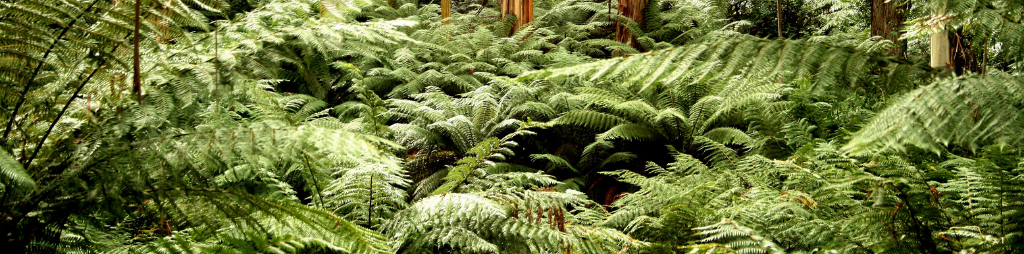
The VFA’s Mission is to protect and restore native forests in Victoria.
VFA Statement of Purposes:
1. Facilitate interaction and collaboration between environment groups to support the protection and restoration of native forests in Victoria.
2. Develop and employ effective strategies to protect and restore native forests in Victoria.
3. Ensure that the measures proposed to protect and restore the ecological integrity of native forests are grounded in science.
4. Show solidarity with First Nations Peoples by developing meaningful relationships that amplify mobs’ voices and cultural values.
5. Increase public awareness of how preserving and restoring native forest can address the consequences of extractive industries.
6. Support alternatives to extractive industries.
We would like to acknowledge that the Victorian Forest Alliance operates on the Sovereign Land of First Nation Peoples. The forests we defend and restore are unceded Lands. The name “Victorian” Forest Alliance has been chosen to geographically locate our broad-based alliance. We recognise and respect that the forests we work to protect exist on a number of different Sovereign Aboriginal Nations and we pay our respects to their elders past and present.
What We're Protecting
So-called Victoria is home to globally significant forests.
These forests are not only important for biodiversity and the wildlife that relies on them, but they are vital for our water security, for carbon storage, and they are of great cultural significance to First Nations peoples.
From biodiverse forests in the Wombat Forest and Central West area to the magical forests of Far East Gippsland - the forests of Victoria are like none other on the planet. As well as being unique places to visit, our native forests also create a healthy, liveable environment for every Victorian.
Despite the 'official' end of native forest logging on 1 January 2024, our native forests are still under threat. We are facing the new and emerging threats of: unscientific planned burning, inadequate environmental protection laws, and logged areas left as wastelands.
Up until January 2024, thousands of hectares of native forests were being logged every year by the Victorian State Government, with more than 85% being wood-chipped to make cheap cardboard and packaging products which end up in landfill.
The Victorian state-owned logging company VicForests finally wound up on 30 June 2024, however we are concerned that forest management has been transferred to Forest Fire Management Victoria (FFMV) who are responsible for logging in the Yarra and Dandenong Ranges National Parks, and the death of an endangered Greater Glider.
Though the Victorian Government claims to have ended logging was in Victoria, it is still very much happening. Our forests are facing myriad threats. But now, the logging is less obvious, and there’s even less regulation. Read more about our campaign against Loophole Logging here.
Our forests are worth so much more standing. That’s why 40 forest conservation groups joined forces to form the VFA - so we can see the permanent protection and restoration of native forests once and for all.
For wildlife
Victoria’s forests are home to hundreds of species of plants and animals which are directly impacted by logging. Species such as the Greater Glider, Koala, Leadbeater’s Possum, Sooty, Powerful and Masked Owls, rare frogs and reptiles, galaxias, and so much more.
Many of these species need large old hollow-bearing trees to survive. Their habitat continues to be targeted for logging despite massive declines in their numbers from past logging, bushfires, and climate change.

For climate
Mountain Ash forests are one of the most carbon dense in the world storing up to 10,000 tonnes of carbon per hectare. Since colonisation, less than 2% of Victoria's Mountain Ash forests now remain. Ending logging in the Central Highlands would save 3.2 million tonnes of carbon dioxide emissions per year and achieve 5% of the emissions cuts needed to meet Australia's carbon reduction target for 2020.
For water
Melbourne relies on the forests in the Central Highlands for water supply. Studies have shown water catchments can be heavily impacted by logging.

For First Nations Peoples
The forests of so-called Victoria are on a number of sovereign Aboriginal lands. Forests hold spiritual and cultural significance for First Nations peoples. They hold stories, are meeting places, and the animals are totems for the Traditional Custodians. The forests are rich repositories of food, fibre and medicinal plants which are fundamental to the cultural heritage of First Nations peoples.
The VFA supports the return of the forests to the custodianship to First Nations peoples and acknowledges the important links between First Nations justice and environment campaigns. We must dismantle the systems which continue to oppress First Nations people, and end destructive practices which continue to desecrate forests on stolen land.
For safety against bushfires
The links between logging and bushfires are well known and understood. Younger forests are much drier and burn hotter than older mature forests. Communities living close to forests are increasingly put at risk by logging close to towns.
The 2019/2020 bushfires wiped out more than a billion native animals. Logging must end to reduce the future risk of bushfires.

For communities
Forests hold important values for local communities and provide sustainable, long-term employment through nature-based tourism. Logging undermines key industries in these communities including apiary businesses, ecological educators, tourism operators and fish hatcheries.
Treaty Pledge
We, the Victorian Forest Alliance, acknowledge that the forests we work to protect and restore grow on the stolen lands of First Peoples. These lands, skies, and waters and the unique life they sustain have been nurtured and honoured by Traditional Owners for countless generations.
Read the VFA's full Treaty Pledge here.
Past Campaigns
VFA and our members have run numerous campaigns over the years. There is a lot to be learnt from our decades of collective experience.
Head to our Past Campaigns page to read about some of this work.
Our Staff & Committee
The VFA is made up of a committee of long-time forest campaigners with years of experience. We have a small team of dedicated staff and campaigners helping us to achieve our mission of protection and restoration of Victoria's native forests.